Gastroenterology Market - Global Forecast to 2030


The gastroenterology market is expected to experience steady growth in the coming years. Gastroenterology is the branch of medicine that focuses on the diagnosis, treatment, and management of disorders and diseases related to the gastrointestinal (GI) tract, which includes the stomach, intestines, liver, pancreas, and esophagus.
Several factors contribute to the positive market outlook for gastroenterology:
- Increasing prevalence of gastrointestinal disorders: There has been a rise in the prevalence of gastrointestinal disorders such as gastroesophageal reflux disease (GERD), inflammatory bowel disease (IBD), and colorectal cancer. This growing patient population is driving the demand for gastroenterology services and treatments.
- Technological advancements: Advances in diagnostic and therapeutic technologies are enhancing the capabilities of gastroenterologists to diagnose and treat gastrointestinal disorders. Endoscopic procedures, such as colonoscopies and upper GI endoscopies, have become more accurate and less invasive, leading to improved patient outcomes.
- Growing elderly population: The aging population is more susceptible to gastrointestinal diseases and disorders. As the global population continues to age, the demand for gastroenterology services is expected to increase.
- Increasing awareness and screenings: Public awareness about the importance of early detection and screening for gastrointestinal conditions has been rising. Regular screenings for colon cancer, for example, have become more common, leading to earlier detection and better treatment outcomes.
- Rising healthcare expenditure: Healthcare expenditure, including spending on gastroenterology services, is increasing globally. Governments and private payers are allocating more resources to healthcare, which supports the growth of the gastroenterology market.
- Emerging markets: Developing regions, particularly in Asia-Pacific and Latin America, are witnessing rapid economic growth and improving healthcare infrastructure. This expansion of healthcare facilities and increasing access to medical services in these regions are expected to drive market growth.
Hypothetical Top 3 Growth Areas in Gastroenterology Market
The top three growth areas in the gastroenterology market could include:
- Non-invasive diagnostic technologies: Advances in non-invasive diagnostic technologies have the potential to revolutionize gastroenterology. These technologies, such as virtual colonoscopy and capsule endoscopy, allow for the examination of the gastrointestinal tract without invasive procedures. They offer numerous benefits, including reduced patient discomfort, lower risk of complications, and improved patient compliance. The development and adoption of more accurate and affordable non-invasive diagnostic tools could lead to significant market growth in this area.
- Precision medicine and personalized therapies: The field of gastroenterology is increasingly recognizing the importance of personalized medicine. Advances in genomic profiling and biomarker research are enabling clinicians to tailor treatment plans based on an individual's genetic makeup and specific disease characteristics. Precision medicine approaches can enhance treatment outcomes, minimize adverse effects, and optimize patient care. The growth of personalized therapies in gastroenterology is likely to be driven by the increasing availability of genetic testing and the development of targeted therapeutics.
- Therapeutic endoscopy and minimally invasive interventions: Minimally invasive procedures, such as therapeutic endoscopy, are gaining popularity in the field of gastroenterology. These procedures offer less invasive alternatives to traditional surgical interventions, resulting in reduced hospital stays, faster recovery times, and improved patient outcomes. The development of innovative endoscopic techniques, such as endoscopic submucosal dissection (ESD) and endoscopic mucosal resection (EMR), has expanded the scope of what can be accomplished without surgery. As minimally invasive interventions continue to evolve and become more widely adopted, they are expected to drive growth in the gastroenterology market.
Futuristic scope of Gastroenterology Market
The futuristic scope of the Gastroenterology Market is highly promising, with significant advancements and innovations expected to shape the field in the coming years. Here are some key areas that hold potential for future developments:
- Personalized Medicine: With the advancements in genetic testing and molecular diagnostics, the field of gastroenterology is moving towards personalized medicine. Tailored treatment plans based on a patient's genetic makeup, microbiome analysis, and other individual factors will improve treatment outcomes and minimize side effects.
- Advanced Endoscopy Techniques: Endoscopy plays a vital role in diagnosing and treating gastrointestinal diseases. Future advancements in endoscopic technologies, such as high-definition imaging, virtual and augmented reality, robotic-assisted procedures, and miniaturized devices, will enable more accurate diagnoses, minimally invasive treatments, and improved patient comfort.
- Precision Therapeutics: The future of gastroenterology will witness the rise of precision therapeutics, including targeted drug delivery systems and novel therapeutic agents. Advances in drug formulations, nanotechnology, and biologics will enhance treatment efficacy, reduce adverse effects, and enable site-specific drug delivery within the gastrointestinal tract.
- Artificial Intelligence (AI) and Machine Learning (ML): AI and ML algorithms have the potential to revolutionize gastroenterology by analyzing large volumes of medical data, identifying patterns, and aiding in disease diagnosis, risk assessment, and treatment planning. These technologies can assist in early detection of gastrointestinal cancers, predict disease progression, and optimize treatment strategies.
- Microbiome Modulation: The human gut microbiome has gained significant attention in recent years due to its impact on overall health and various gastrointestinal conditions. Future research will focus on understanding the complex interplay between gut microbes and disease, leading to the development of targeted therapies, probiotics, and prebiotics to modulate the microbiome and improve patient outcomes.
- Telemedicine and Remote Patient Monitoring: The integration of telemedicine and remote patient monitoring platforms will enhance access to gastroenterology care, particularly for patients in remote areas or with limited mobility. Virtual consultations, remote monitoring of symptoms, and tele-endoscopy can enable early intervention, reduce healthcare costs, and improve patient convenience.
- Patient Education and Empowerment: Futuristic gastroenterology will prioritize patient education and empowerment. Advances in digital health platforms, mobile applications, and wearable devices will provide patients with tools to actively participate in their care, track symptoms, manage chronic conditions, and make informed decisions about their gastrointestinal health.
Mergers & Acquisitions in Gastroenterology Market
the gastroenterology market has witnessed several mergers and acquisitions (M&A) that have shaped the industry landscape. These deals have brought together various companies, leading to consolidation and expansion in the gastroenterology sector. Here are some notable M&A activities in the gastroenterology market:
- Medtronic's Acquisition of Covidien: In 2015, Medtronic, a prominent medical technology company, acquired Covidien, a leading global healthcare products manufacturer. This acquisition enabled Medtronic to enhance its presence in the gastroenterology market by integrating Covidien's extensive portfolio of gastrointestinal products and therapies.
- Olympus Corporation's Acquisition of Cybersonics: In 2017, Olympus Corporation, a renowned manufacturer of precision machinery and instruments, acquired Cybersonics, an innovative company specializing in ultrasonic endoscopic systems. This acquisition aimed to strengthen Olympus' gastroenterology product offerings, particularly in the field of endoscopy.
- Fujifilm's Acquisition of SonoSite: In 2012, Fujifilm, a global leader in imaging and diagnostic solutions, acquired SonoSite, a company specializing in point-of-care ultrasound technology. This acquisition allowed Fujifilm to expand its gastroenterology product portfolio and offer advanced imaging solutions to healthcare professionals in the field.
- Boston Scientific's Acquisition of EndoChoice: In 2016, Boston Scientific, a leading medical device manufacturer, acquired EndoChoice, a company focused on gastrointestinal endoscopy products. This strategic acquisition enabled Boston Scientific to broaden its gastroenterology product range and strengthen its position in the endoscopy market.
- Takeda Pharmaceutical's Acquisition of Shire: In 2019, Takeda Pharmaceutical, a global pharmaceutical company, completed its acquisition of Shire, a biotechnology company with a strong presence in gastroenterology. This deal positioned Takeda as a key player in the gastroenterology market, expanding its product portfolio and therapeutic expertise.
Key segments and subsegments in Gastroenterology Market
The gastroenterology market comprises various key segments and subsegments that contribute to the overall diagnosis, treatment, and management of gastrointestinal disorders. Here are some of the key segments and their respective subsegments:
Diagnostic Devices:
- Endoscopy Devices: Gastroscopes, Colonoscopes, Sigmoidoscopes, Capsule Endoscopes
- Imaging Systems: X-ray, MRI, CT Scanners, Ultrasound
- Biopsy Devices: Forceps, Needles, Brushes
- Diagnostic Assays: Stool Tests, Blood Tests, Breath Tests
Therapeutic Devices:
- Endoscopic Retrograde Cholangiopancreatography (ERCP) Devices
- Hemostasis Devices: Clips, Ligating Bands, Electrocautery Devices
- Enteral Feeding Devices: Feeding Tubes, Pumps, Nutrition Bags
- Dilatation Devices: Balloon Dilators, Bougies, Stents
- Others: Surgical Instruments, Radiofrequency Ablation Devices
Drugs and Pharmaceuticals:
- Acid Reducers: Proton Pump Inhibitors (PPIs), H2 Receptor Antagonists
- Anti-inflammatory Drugs: Corticosteroids, Aminosalicylates
- Immunomodulators: Thiopurines, Methotrexate
- Biologics: Anti-TNF Agents, Integrin Antagonists
- Laxatives and Anti-diarrheal Drugs
- Others: Antibiotics, Antiemetics, Antispasmodics
Gastrointestinal Diseases and Conditions:
- Inflammatory Bowel Diseases (IBD): Crohn's Disease, Ulcerative Colitis
- Gastroesophageal Reflux Disease (GERD)
- Peptic Ulcer Disease
- Colorectal Cancer
- Hepatitis and Liver Diseases
- Irritable Bowel Syndrome (IBS)
- Pancreatic Disorders: Pancreatitis, Pancreatic Cancer
- Gallbladder and Biliary Tract Disorders
- Others: Gastritis, Gastroenteritis, Diverticular Diseases
End-Users:
- Hospitals
- Clinics and Ambulatory Surgical Centers
- Diagnostic Centers
- Research and Academic Institutes
Top Key players in Gastroenterology Market
The gastroenterology market is comprised of various key players who contribute to the development and advancement of diagnostic tools, treatments, and therapies for gastrointestinal disorders. Here are some of the top key players in the gastroenterology market:
- Medtronic: Medtronic is a leading medical technology company that provides a wide range of products and services in the field of gastroenterology. They offer innovative endoscopy devices, stents, and minimally invasive surgical tools for the diagnosis and treatment of gastrointestinal diseases.
- Johnson & Johnson: Johnson & Johnson is a multinational healthcare company that operates in various sectors, including pharmaceuticals, medical devices, and consumer healthcare. Their subsidiary, Ethicon, develops and manufactures advanced surgical instruments and devices for gastrointestinal surgeries.
- Olympus Corporation: Olympus is a renowned manufacturer of optical and digital precision technology, including endoscopy and imaging systems used in gastroenterology. They offer a comprehensive portfolio of endoscopes, endotherapy devices, and visualization systems for diagnosing and treating gastrointestinal disorders.
- Boston Scientific Corporation: Boston Scientific specializes in developing and manufacturing medical devices used in various medical specialties, including gastroenterology. They provide a wide range of endoscopy and endotherapy products for diagnosing and treating gastrointestinal conditions.
- Fujifilm Holdings Corporation: Fujifilm is a global conglomerate that offers a diverse range of products and services, including imaging and information solutions. Their medical division provides endoscopy systems, endoscopic ultrasound devices, and other innovative technologies for gastroenterological applications.
- Cook Medical: Cook Medical is a family-owned medical device company that develops and manufactures a broad range of minimally invasive medical devices, including those used in gastroenterology. They offer advanced endoscopy devices, stents, and accessories for the diagnosis and treatment of gastrointestinal disorders.
- Stryker Corporation: Stryker is a leading medical technology company that specializes in orthopaedics, medical and surgical equipment, and neurotechnology. Their gastrointestinal product portfolio includes endoscopy systems, capsule endoscopy devices, and other innovative tools for gastrointestinal diagnostics.
- Karl Storz GmbH & Co. KG: Karl Storz is a renowned manufacturer of endoscopes and endoscopic instruments used in various medical specialties, including gastroenterology. They provide a wide range of high-quality endoscopy systems and accessories for diagnostic and therapeutic procedures.
High growth opportunities in Gastroenterology Market
The field of gastroenterology offers several high-growth opportunities due to various factors. Here are some key areas of growth in the gastroenterology market:
- Increasing Prevalence of Gastrointestinal Disorders: Gastrointestinal disorders such as inflammatory bowel disease (IBD), gastroesophageal reflux disease (GERD), and colorectal cancer are on the rise globally. The growing incidence of these conditions creates a significant demand for gastroenterological services, including diagnosis, treatment, and management.
- Technological Advancements: Advances in medical technology have revolutionized the diagnosis and treatment of gastrointestinal conditions. Innovations such as capsule endoscopy, virtual colonoscopy, and minimally invasive surgical procedures have improved patient outcomes and reduced the need for invasive procedures. The adoption of these technologies presents opportunities for growth in the gastroenterology market.
- Therapeutic Innovations: The development of new drugs and therapies for gastrointestinal disorders has the potential to drive market growth. Pharmaceutical companies are investing in research and development to introduce novel treatments for conditions like IBD, hepatitis, and liver diseases. Biologics, immunomodulators, and targeted therapies are among the advancements that offer new treatment options.
- Rising Awareness and Screening Programs: Increasing awareness about gastrointestinal health and the importance of early detection is leading to more individuals seeking gastroenterological care. Governments and healthcare organizations are implementing screening programs to identify conditions such as colorectal cancer in their early stages. This emphasis on prevention and early intervention creates opportunities for growth in the gastroenterology market.
- Aging Population: The global population is aging, resulting in a higher prevalence of age-related gastrointestinal conditions. Older adults are more susceptible to digestive disorders such as diverticulitis, gallstones, and gastrointestinal bleeding. The growing elderly population contributes to the expanding demand for gastroenterological services.
- Telemedicine and Remote Patient Monitoring: The adoption of telemedicine and remote patient monitoring has increased in recent years, especially in the wake of the COVID-19 pandemic. Gastroenterologists can provide virtual consultations, monitor patients remotely, and offer ongoing care for chronic conditions. This trend enhances accessibility to gastroenterological services, particularly in underserved areas, and opens up new avenues for market growth.
 Exclusive indicates content/data unique to MarketsandMarkets and not available with any competitors.











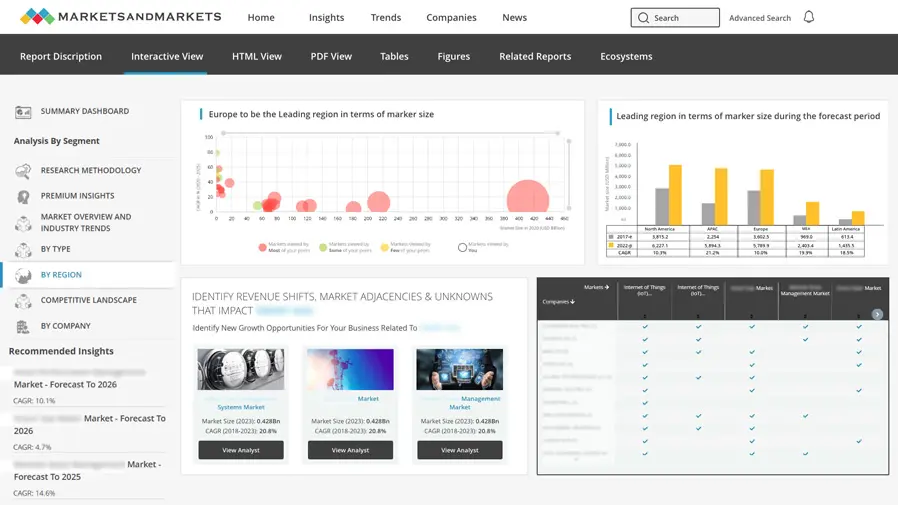
Growth opportunities and latent adjacency in Gastroenterology Market