Global Three-Wheeler Market-Trends and Forecast


Three-Wheelers Are Extensively Used As A Reasonable Means Of Short-To-Medium Distance Public Transportation And Last Mile Connectivity For Goods Transportation. Inadequate Accessibility Of Public Transport, Underdeveloped Transport & Logistic Infrastructure, Low Per Capita Income, Low Disposable Income, Increasing Unemployment, And Others Are Some Of The Important Factors That Are Pushing The Growth Of Three-Wheelers In Developing And Underdeveloped Countries. This Increase In Demand Is Because Three-Wheelers Offer An Effective, Fast And Cost-Effective Way Of Transportation Even In The Areas Where Buses, Trucks, Taxis, And Other Modes Of Transport Cannot Successfully Penetrate For Example Rural Markets Of India. Introduction Of Cng/Lpg Three-Wheelers Has Rejuvenated The Global Three-Wheeler Market And Suggestively Increased The Adequacy Of Three-Wheelers Market Across Many Regions, Particularly In Developing Nations. Few Underdeveloped Countries In Africa Like Nigeria, Mozambique And Egypt And Their Asian Counter Parts Like Nepal, Bangladesh, And Others Are Thus Evolving As The Preferred Markets For The Prominent Three-Wheeler Manufacturers Across The Globe. Three-Wheeler Market Demand Is Considerably Boosted By The Snowballing Penetration Of Hub-N-Spoke Model In All Major Supply Chain Networks At Large Across The Globe.
The Report Covers The Global Automotive Three-Wheeler Market. The Report Is Broadly Segmented By Fuel Type (Gasoline, Diesel, Electric, Cng/Lpg, And Others). The Market Is Further Segmented By Use (Passenger Carrier, Goods Carrier, And Personal Use), And Region (Asia-Oceania, North America, Europe & Row) Focusing On Key Countries In Each Region.
This Report Classifies And Defines The Global Automobile Three-Wheeler Market. It Also Brings Qualitative Insights About The Types Of Three Wheeler Systems. The Report Also Gives An Extensive Review Of The Market Drivers, Restraints, Opportunities, Challenges, And Key Issues In The Automotive Three-Wheeler Market.
 Exclusive indicates content/data unique to MarketsandMarkets and not available with any competitors.
Table of Contents
1 Introduction
1.1 Objectives of the Study
1.2 Market Definition
1.3 Market Scope
1.3.1 Markets Covered
1.3.2 Years Considered In the Report
1.4 Currency & Pricing
1.5 Package Size
1.6 Limitations
1.7 Stakeholders
2 Research Methodology
2.1 Reasearch Data
2.1.1 Secondary Data
2.1.2 Primary Data
2.2 Market Size Estimation
2.3 Market Breakdown And Data Triangulation
2.4 Market Share Estimation
2.5 Research Assumption And Limitation
2.5.1 Assumptions
2.6 Limitations
3 Executive Summary
4 Premium Insights
5 Market Overview
5.1 Introduction
5.2 Market Segmentation
5.3 Market Dynamics
5.3.1 Drivers
5.3.2 Restraint
5.3.3 Opportunities
5.3.4 Challenge
5.3.5 Burning Issue
6 Industry Trends
6.1 Introduction
6.2 Value Chain Analysis
6.3 Porter’s Five Forces Analysis
6.3.1 Threat of New Entrants
6.3.2 Threat of Substitutes
6.3.3 Bargaining Power of Buyers
6.3.4 Bargaining Power of Suppliers
6.3.5 Intensity of Competitive Rivalry
6.4 Pest Analysis
6.4.1 Political Factors
6.4.2 Economic Factors
6.4.3 Social Factors
6.4.4 Technological Factors
7 Global Automotive Three-Wheeler Market, by Fuel Type
7.1 Gasoline
7.2 Diesel
7.3 Electric
7.4 Cng/Lpg
7.5 Others
8 Global Automotive Three-Wheeler Market, by Use
8.1 Passenger Carriers
8.2 Goods Carriers
8.3 Personal Use
9 Global Automotive Three-Wheeler Market, by Region
9.1 Asia-Oceania
9.2 North America
9.3 Europe
9.4 Row
10 Competitive Landscape
10.1 Introduction
10.2 Market Players
10.3 Expansions
10.4 New Product Launch/Development
10.5 Agreements, Collaborations, Joint Ventures & Partnerships
10.6 Mergers & Acquisitions
10.7 Supply Contracts & Others
11 Company Profiles
11.1 Company 1
11.2 Company 2
11.3 Company 3
11.4 Company 4
11.5 Company 5
11.6 Company 6
11.7 Company 7
11.8 Company 8
11.9 Company 9
11.10 Company 10












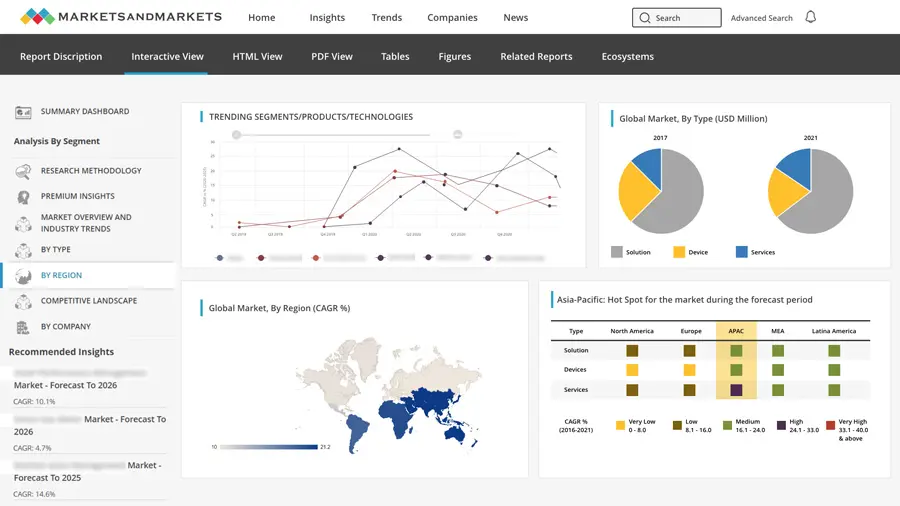
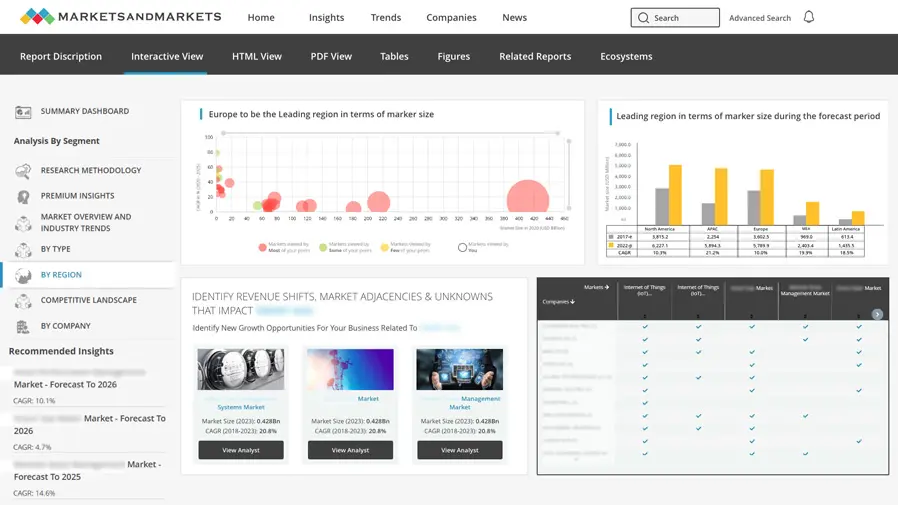
Growth opportunities and latent adjacency in Global Three-Wheeler